


NOBEL, ONTARIO - A new renewable energy initiative in Northern Ontario could transform how several public facilities in Chapleau are heated while creating a long-term economic opportunity for Chapleau Cree First Nation.
Chapleau Cree First Nation has partnered with Timmins-based Commercial Bioenergy to advance plans for a district biomass heating system valued at approximately $7.5 million. The project would use locally sourced forestry byproducts to provide heating services to six major community buildings.
The proposed venture, operating as the Chapleau District Heating Company (CDHC), is currently working through its final financing and development stages. If approved, the system would be powered by a three-megawatt thermal energy facility that would supply heat to key institutions in the community, including healthcare, emergency services, educational, and recreational facilities.
The project is designed around the use of forest industry byproducts such as wood chips, bark, and sawmill residues generated in the region. These materials, often considered waste streams, would be converted into renewable heat energy for local customers.
Supporters of the initiative say Northern Ontario possesses an abundance of biomass resources, making it well positioned to benefit from energy projects that utilize forestry byproducts. Despite this resource availability, advocates acknowledge that widespread adoption of biomass heating has been slower in Canada than in many European countries.
Commercial Bioenergy has spent years promoting biomass as a practical energy source for northern communities and believes projects such as the Chapleau development can demonstrate the technology's long-term value.
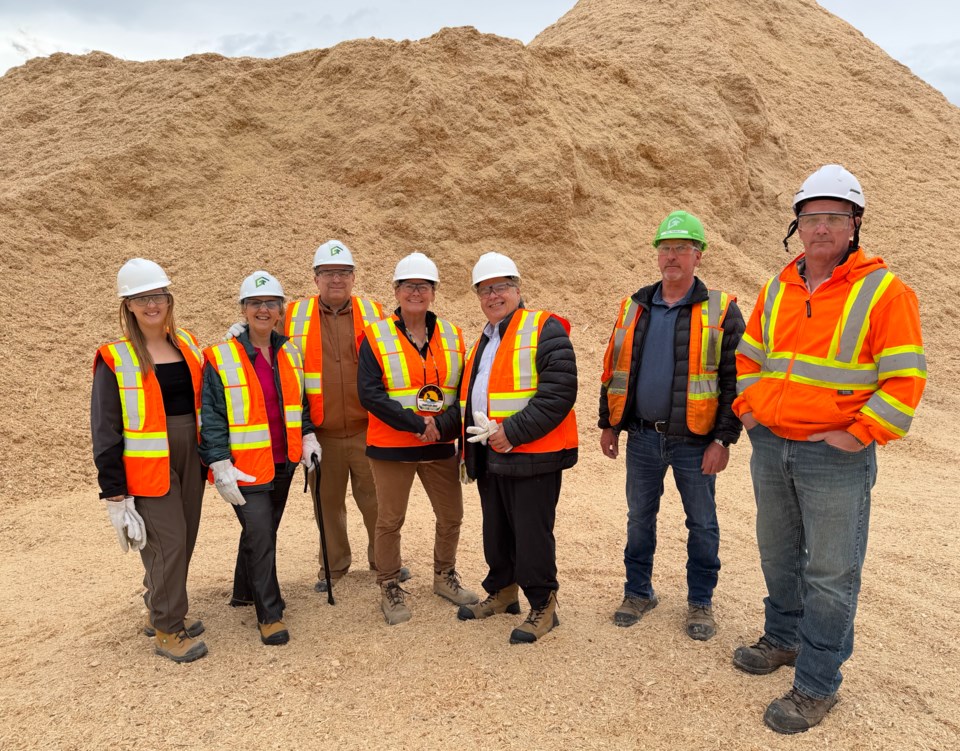
Under the proposed model, CDHC would purchase biomass fuel from GreenFirst Forest Products' operations in Chapleau and distribute thermal energy to participating buildings. Rather than purchasing fuel directly, customers would pay for the heat they consume, creating a utility-style service model.
Project organizers believe participating facilities could lower both heating and maintenance costs, although savings would vary depending on the type of building and the fuel currently being used. Buildings relying on oil or electric heating could see some of the greatest benefits from switching to biomass-generated heat.
While the partnership has secured equity commitments, additional financial support remains necessary before construction can begin. Organizers continue to pursue funding opportunities through government programs and commercial lenders.
Another key requirement involves securing a suitable location for the energy facility. Discussions regarding a potential site are ongoing, and several regulatory and business considerations must still be addressed before final approvals can be obtained.
If the remaining pieces come together as planned, construction could begin in 2027.
A central feature of the project is its long-term ownership strategy. Chapleau Cree First Nation already holds a majority interest in the venture, and agreements are in place that could ultimately lead to full community ownership.
Community leaders view the investment as a way to diversify local revenue sources while participating in a clean energy project aligned with environmental values. By investing in energy infrastructure rather than relying solely on traditional resource industries, the First Nation hopes to create a sustainable economic asset for future generations.
Industry observers say projects like the Chapleau biomass initiative may offer new opportunities for forest-dependent communities facing economic challenges. By finding productive uses for wood residues and strengthening local energy systems, similar developments could help support regional economic resilience.
Experts note that transportation distances often determine whether biomass projects are economically viable. Communities located close to forestry operations and available biomass supplies may be best positioned to benefit from this type of renewable energy infrastructure.
As communities across Northern Ontario explore ways to strengthen their economies and reduce emissions, the Chapleau project could become an example of how local resources, Indigenous partnerships, and renewable energy technologies can work together to create new opportunities for growth.


