


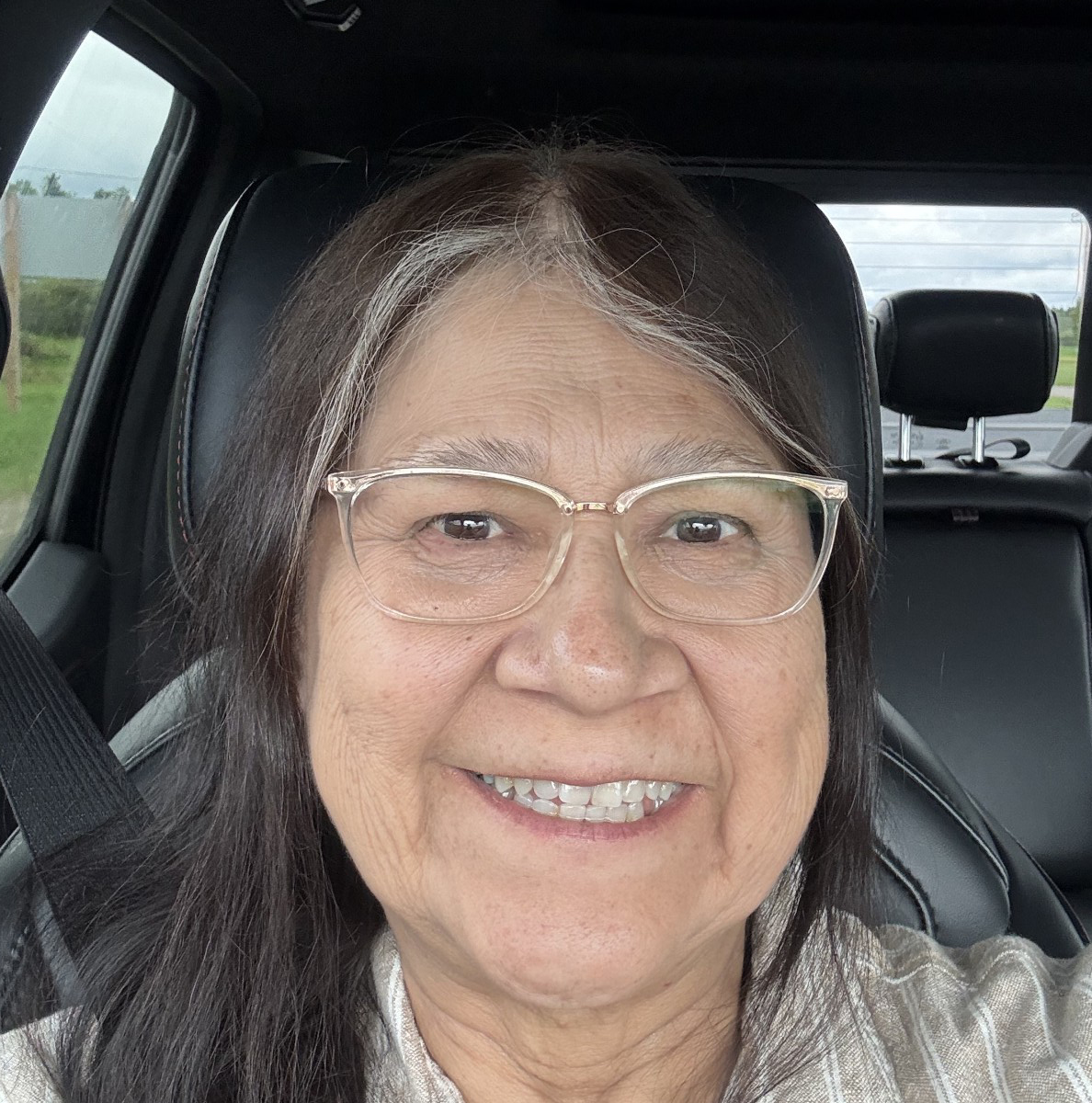
Caroline Innes is a Moose Cree First Nation business leader withextensive experience in Indigenous-owned construction, transportation, concretesupply, aggregates, and community infrastructure projects across Moosonee,Moose Factory, and the James Bay region.
She currently serves as Secretary/Treasurer for Innlink Concrete Ltd. andVice-President for the North American Aboriginal Group, both of which are 100%Indigenous-owned. Innlink provides concrete, aggregate, earthworks, water andice road transportation, and winter road construction—including the Wetum Roadconnecting Moose Cree to Otter Rapids—as well as water and sewer infrastructurefor the Town of Moosonee and Moose Cree.
Throughout her career, Caroline has played a key role in major regionalprojects:
· Lower Mattagami Project (2011–2015):Partnered with Kiewit Alarie Partnership to supply all concrete and aggregatesfor OPG.
· Healthcare Infrastructure: Provided waterand ice road transportation for Weeneebayko General Hospital (2000–2024) and iscurrently contributing footprint installation, concrete, and aggregates for theWeeneebayko Area Health Authority Redevelopment Project in Moosonee.
· Community Services: Delivered earthworksand concrete for the Moosonee OPP Station, ongoing transportation services forthe local high school since 2000, and winter road construction since 1998 andwater and sewer infrastructure
Caroline began her career as a Secretary and advanced to Business Manager atPayukotayno Family Services while working part-time for Innlink, beforetransitioning into her full-time executive role in 2007. Her backgroundcombines on-the-job expertise with college and university coursework fromNorthern College and Laurentian University.
Having recently celebrated over 25 years withInnlink, Caroline’s leadership was recognized in 2018 when she received the Businesswomanof the Year award from the Nishnawbe Aski Development Fund, alongside Innlinkbeing named Corporation of the Year. Her career reflects a long-standingcommitment to building Indigenous business capacity, supporting essentialinfrastructure, employing local community members, and serving northern remote communities.